
Your body is not a collection of symptoms, its an ecology.
Women’s bodies are nuanced. Each test maps a distinct but deeply interconnected layer of your terrain. Alone, each one tells a partial story.
Together, they show us where the real bottlenecks are, and what your body actually needs to move forward.

Mapping Your Microbial Terrain with BiomeFX
The gut microbiome is the living ecosystem of bacteria, fungi, archaea, and viruses that inhabit your digestive tract — collectively carrying more genetic material than your own human genome. These organisms do more than digest food- they produce neurotransmitters, regulate your immune system, metabolize your hormones. They produce the short-chain fatty acids that feed and protect your intestinal lining. They determine whether estrogen gets properly excreted — or recirculated back into your bloodstream.
The state of this ecosystem shapes nearly every other system in your body. And it is profoundly shaped by, and in turn profoundly shapes, everything else the FEM Package maps.
Most gut tests available today are relatively narrow — they identify specific pathogens, measure a handful of bacteria, and report whether you're positive or negative for particular infections. BiomeFX is categorically different. It uses whole-genome sequencing technology — reading the DNA from your stool sample at the deepest resolution currently available — to map not just who is there, but what they are doing and what they are capable of doing. Functional microbiome analysis.
What it Measures
The BiomeFX report covers over 80 microbial and functional biomarkers.
Overall Microbial Composition:
Major phyla balance: Firmicutes, Bacteroidetes, Actinobacteria, Proteobacteria, Verrucomicrobia — the broad ecosystem architecture
Alpha diversity — the richness and variety of species within your microbiome; one of the most robust markers of resilience and overall health
14 keystone species — the foundational organisms whose presence or absence disproportionately shapes the health of the entire ecosystem, including Faecalibacterium prausnitzii (the most important anti-inflammatory species in the gut) and Akkermansia muciniphila (critical for gut lining integrity)
Pathogens and Dysbiotic Organisms: Over 29 pathogens, including bacterial, fungal, parasitic, and protozoal: H. pylori, C. difficile, Salmonella, Candida spp., Blastocystis hominis, Giardia, and more — mapped with a level of sensitivity that standard stool cultures often miss.
The Estrobolome: This is the feature most clinically significant for the women this work serves. The estrobolome is the collection of gut bacteria that metabolize estrogen — specifically, those that produce beta-glucuronidase, an enzyme that deconjugates estrogen that the liver has already packaged for excretion. When the estrobolome is dysbiotic, beta-glucuronidase is overproduced, estrogen is unwrapped from its packaging and reabsorbed into circulation, and a woman's estrogen levels rise — not because she is producing more, but because her gut is not letting her clear it.
This is one of the most direct drivers of estrogen dominance — and it is invisible without a gut test.
Short-Chain Fatty Acid (SCFA) Production: Butyrate, propionate, and acetate are produced by beneficial bacteria fermenting fiber. Butyrate is the primary fuel for intestinal cells, the key regulator of gut barrier integrity, and a powerful anti-inflammatory signal. Low butyrate production is a marker of compromised gut lining, systemic inflammation, and immune dysregulation.
Intestinal Permeability Markers: Elevated p-cresol, low Akkermansia, and high Proteobacteria collectively indicate a compromised gut barrier — the condition commonly called "leaky gut" — through which bacterial endotoxins, incompletely digested proteins, and inflammatory signals enter systemic circulation.
Bile Acid Metabolism: Bile acids are the liver's primary mechanism for fat-soluble toxin clearance, including used estrogen metabolites. BiomeFX maps the microbial species responsible for bile acid conversion, revealing where the gut-liver detox axis is breaking down.
Immune Function Markers: The gut houses 70–80% of the body's immune tissue. BiomeFX maps secretory IgA (the gut's primary immune defense), inflammatory signaling potential (LPS-producing Proteobacteria), and the microbial species associated with immune tolerance versus immune reactivity — deeply relevant for women with autoimmune conditions.
Neurotransmitter Production Potential: The gut synthesizes a significant portion of the body's serotonin and GABA. BiomeFX maps the microbial species responsible for these processes, contributing to the full picture of the gut-brain axis and its role in mood, anxiety, and cognitive function.
Why it Matters for Lifespan Health
The gut microbiome is the terrain beneath the terrain. It governs: how hormones are cleared, how minerals are absorbed, the immune system calibration, neurotransmitter production, and how inflammation is either tempered or amplified. No hormonal or mineral protocol can reach its full potential in a gut that is not assessed and addressed.
For women preparing for fertility, the microbiome is the first ecology their child will inherit. For women in perimenopause, the estrobolome is a direct variable in symptom severity. For women with autoimmunity or mood dysregulation, the gut-immune and gut-brain axes are not secondary considerations — they are central ones to addressing the roots of chronic inflammation and immune activation.
This is why the gut test is not longer offered as an optional add-on; its a load-bearing pillar of the map..
Discover your Endocrine Ecology with the DUTCH Plus+ Test

Most conventional hormone testing gives you a number. Your estradiol is this. Your progesterone is that. Normal or not normal. And while those numbers have their place, they leave out the most important question in women's hormonal health: not just how much of each hormone your body is producing, but what your body is actually doing with them once they're made.
The DUTCH Complete is a dried urine test — you collect four to five urine samples on filter paper over a 24-hour period, allow them to dry, and mail them to the lab. This collection method allows the test to capture hormones and their metabolites across the full arc of a day, rather than at a single point in time — and it is the metabolites that tell the richest story.
The DUTCH maps 35 hormones and their downstream breakdown products, giving us a complete picture of your sex and adrenal hormonal architecture: what you're making, how you're metabolizing it, and where the detoxification pathways are flowing — or blocked.
The DUTCH Test Measures Sex and Adrenal Hormones and Metabolites
Estrogens and the Detox Pathways; Early Screening for Disease Vulnerability
The DUTCH measures Estradiol (E2), Estrone (E1), and Estriol (E3) — but what makes it truly singular is what it reveals downstream of those numbers: how your body is breaking estrogen down and clearing it, through what are called the hydroxylation pathways.
There are three estrogen detox pathways, and not all of them are equal:
2-OH estrogens — the safest, most favorable route; protective, weakly estrogenic, and associated with healthy hormonal clearance
4-OH estrogens — the most concerning pathway; 4-OH metabolites are chemically reactive, capable of damaging DNA, and linked in the literature to increased risk of estrogen-related cancers
16-OH estrogens — metabolites that retain significant estrogenic activity, associated with estrogen dominance symptoms and, in excess, with greater disease vulnerability
Understanding which pathway your body favors is, I believe, one of the most important pieces of early awareness a woman can have about her own terrain. This is not a diagnostic of disease, rather, a window into genetic and biochemical vulnerability, offering us the opportunity to actively support your body's detoxification gene expression before that vulnerability has consequences. It is preventive medicine at its most precise.
But Phase 1 hydroxylation is only half the picture. Phase 2 — methylation — is what happens next, and it is where many women have a hidden bottleneck.
After estrogen is hydroxylated, it must be methylated and packaged for excretion. This process depends on the COMT enzyme (catechol-O-methyltransferase) — one of the most clinically significant genes in women's hormonal health. COMT governs the methylation and clearance of estrogen metabolites, dopamine, norepinephrine, and epinephrine. When COMT is slow — either through genetic SNP variation or nutritional deficiency in its cofactors (magnesium, B vitamins, SAMe) — estrogen metabolites, including the genotoxic 4-OH pathway, are not cleared efficiently. They accumulate. They recirculate. They create the conditions for both hormonal imbalance and long-term disease risk.
The DUTCH is one of the only tests that gives us a functional read of how COMT and MTHFR are actually performing — not just whether you carry the genetic variant, but whether the enzyme is working in your body right now. This distinction matters enormously. A woman can carry an MTHFR variant and methylate perfectly well when her cofactors are sufficient. The DUTCH tells us what is actually happening, not just what the genetic code suggests might happen.
Progesterone: Measured through its urinary metabolites (alpha and beta pregnanediol). The alpha pathway, while minor in volume, reflects the production of allopregnanolone — the progesterone metabolite that modulates GABA receptors in the brain. When this pathway is impaired, women often experience anxiety, sleep disruption, and mood dysregulation in the luteal phase even when total progesterone appears adequate.
Androgens: Testosterone, DHEA-S, and their metabolites, including the 5-alpha and 5-beta reductase pathways — clinically relevant for women experiencing cystic acne, female pattern hair loss, or PCOS patterns.
Cortisol and the Cortisol Awakening Response — The DUTCH offers the best available clinical measure of HPA axis function through the cortisol awakening response (CAR) — the sharp, intentional rise in cortisol that should occur in the first 30–45 minutes after waking. The CAR is not simply a measure of stress. It is a sophisticated biological signal that governs immune activation, blood sugar regulation, and the hormonal tone for the entire day. A blunted or absent CAR is one of the clearest functional markers of burnout, adrenal dysregulation, and the kind of flattened stress response that leaves women feeling unreachable by rest. An exaggerated CAR points toward hypervigilance, anxiety, and the body's failure to down-regulate the stress response overnight. Mapped alongside the full daily cortisol curve — waking, morning, afternoon, and night — it tells us not just your cortisol level, but the full architecture of how your body is managing stress across time.
DHEA-S: A precursor hormone to both estrogen and testosterone, and a marker of adrenal reserve — one of the first things to decline under chronic stress and with age. I consider this marker a functional assessment of your bodies overall vitality and adaptability.
Dopamine and Neurotransmitter Metabolism Did you know the DUTCH test is one of the most accessible ways to assess how much dopamine you are producing? By measuring homovanillate (HVA) — the primary urinary metabolite of dopamine — the DUTCH gives us a window into your dopaminergic tone that most hormone panels never approach. This matters profoundly for women experiencing low motivation, anhedonia, difficulty with focus, or the kind of reward-system flatness that arrives quietly in perimenopause. Vanilmandelate (VMA), the metabolite of norepinephrine and epinephrine, maps the catecholamine picture further — giving us insight into how your nervous system is producing and clearing the very neurochemicals that govern drive, mood, and stress reactivity. Together, these markers allow us to develop targeted support for neurotransmitter health that is grounded in your actual biochemistry, not a checklist of symptoms.
Indican — A Window Into Your Gut Without a Gut Test Indican is a byproduct of protein fermentation by dysbiotic bacteria in the gut — its elevation indicates microbial imbalance is already interfering with hormone metabolism and estrogen clearance. When indican is elevated on a DUTCH test, it is one of the clearest indications that a full gut analysis — like the BiomeFX — will reveal a meaningful and actionable picture. It is the DUTCH pointing toward the gut, the tests in conversation with each other.
Oxidative Stress, Nutritional Status, and Longevity Markers
8-OHdG — a marker of oxidative DNA damage; elevated in chronic inflammation and accelerated biological aging
Melatonin (6-OHMS) — reflecting circadian rhythm and sleep architecture, which governs hormonal regulation and cellular repair across every system
B12, B6, and Biotin markers — functional indicators of the nutritional cofactors that estrogen metabolism, methylation, and mitochondrial function depend on
Glutathione (pyroglutamate) — the master antioxidant; its depletion signals impaired Phase 2 liver detox and increased vulnerability to oxidative and hormonal burden
DUTCH Cycle Mapping — For Women Who Want the Full Monthly Picture
For women whose symptoms track closely with their cycle — or who are in their perimenopause window — the DUTCH cycle mapping option maps hormonal fluctuations across the full month, not just a single day. This gives us a complete arc of how estrogen and progesterone rise, peak, and fall in your specific body, revealing where and how the imbalances are occurring and which phase of your cycle could benefit from extra support.
Why it Matters for Lifespan Health
The DUTCH is the test that answers the question conventional hormone panels cannot: not just what your hormones are doing, but what your body is doing with them — and what your genes are doing in real time. For women preparing for fertility, it maps the estrogen and progesterone environment a pregnancy would enter, and surfaces the methylation capacity that fetal development depends on. For women in perimenopause, it distinguishes between hormonal insufficiency and metabolic impairment — because these require entirely different interventions. For those considering hormone replacement therapy — understanding how your body metabolizes estrogen is paramount to making an informed decisions regarding its appropriateness for your terrain, in addition to helpful supports. For women with a family history of estrogen based cancers, the estrogen metabolite pathway picture is among the earliest and most actionable data available.
Discovering your Mineral Blueprint with Hair Tissue Mineral Analysis
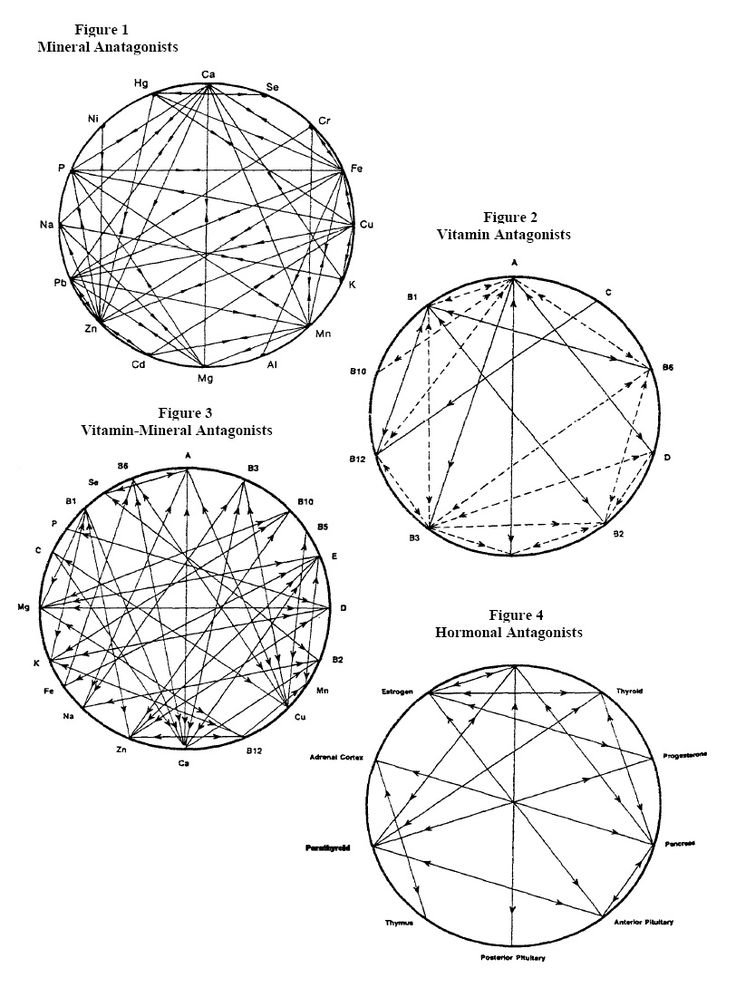
Think of your minerals as the raw materials your body runs on. Every enzymatic reaction, every hormone your body produces, every neurotransmitter that shapes your mood, every cellular energy cycle — all of it requires specific minerals to function. Without them, the processes don't stop. They just run poorly- on backup strategies that includes heavy metal counsins.
A Hair Tissue Mineral Analysis is exactly what it sounds like: a small sample of hair is sent to a laboratory where it is analyzed for its mineral and metal content. Because your hair grows out of your body over time — incorporating the minerals (and toxins) moving through your bloodstream as it does — it acts as a biological record of what has been happening inside you over the past 90 days. Blood tests can only show you what is circulating at a single moment, and doesn’t always given insight into what is happening inside of the cell. HTMA shows you the long-term accumulation — what has built up, what has been depleted, and where the chronic imbalances live.
Minerals in the hair are 10 to 50 times more concentrated than in blood, making them far easier to detect accurately. And because the body tightly regulates blood mineral levels through homeostasis — essentially borrowing from tissue stores to keep blood values looking normal — standard blood panels can show "normal" results while your actual tissue stores are critically depleted. HTMA sees through that. It shows the truth of what's in your tissues, not just what your blood is currently borrowing to appear stable.
What it Measures
The HTMA maps more than 35 elements simultaneously — including essential nutritional minerals, their ratios to one another, and toxic heavy metals:
Essential Minerals: Calcium, Magnesium, Sodium, Potassium, Zinc, Copper, Iron, Manganese, Chromium, Selenium, Phosphorus, Boron, Cobalt, Molybdenum, Sulfur, Germanium, Lithium
Toxic Heavy Metals: Lead, Mercury, Cadmium, Arsenic, Aluminum, Barium, Beryllium, Bismuth, Tin, Strontium, Thallium, Uranium, Nickel, Silver
But the most clinically powerful information in an HTMA is not the individual numbers — it is the ratios between minerals. These ratios act as windows into your body's deeper systems:
Calcium to Phosphorus (Ca/P) — reflects protein digestion and metabolic rate
Sodium to Potassium (Na/K) — considered the "stress ratio," reflecting adrenal function, kidney health, and the balance between anabolic and catabolic activity
Zinc to Copper (Zn/Cu) — one of the most important ratios in women's health. Imbalances here are deeply linked to estrogen dominance, mood instability, anxiety, histamine reactivity, and immune dysregulation
Calcium to Magnesium (Ca/Mg) — reflects nervous system tone, cardiovascular health, and the body's capacity to manage stress at a cellular level
Calcium to Potassium (Ca/K) — a marker of thyroid function; high calcium relative to potassium can indicate sluggish thyroid activity even when TSH appears normal
An HTMA gives insight into our body’s Molecules of Emotion
While Copper is absolutely essential and can be functionally deficient, Copper toxicity is one of the most underdiagnosed drivers of women's hormonal and neurological symptoms — and one of the clearest findings an HTMA can surface. Elevated copper suppresses zinc, disrupts the neurotransmitter synthesis that depends on zinc, stimulates estrogen production, and impairs the methylation pathways the liver needs to clear estrogen properly. It drives anxiety, histamine sensitivity, PMDD, insomnia, and the kind of wired-but-exhausted adrenal pattern that women are often told is simply "stress."
HTMA can also reveal heavy metal burden with far more sensitivity than blood testing. Mercury, lead, and aluminum can remain in tissue stores for years after exposure has ended — long after they've cleared from circulation — continuing to disrupt mineral balance, enzymatic function, and neurological health in ways that never appear on a standard panel.
Running two HTMA tests across six months — at the beginning and end of our container — allows us to see your terrain as a living, responsive system. Not a static snapshot, but a picture of your body in motion: where it begins, and how it shifts.
Why it Matters for Lifespan Health
Mineral depletion is an increasing concern during an era marked by both increased toxicity burden, and soil nutrient depletion. It is one of the most pervasive and undera-ddressed drivers of women's symptoms across the perimenopause transition, fertility window, autoimmune presentation, and aging process. The minerals that DAO needs to clear histamine. The cofactors thyroid hormone needs to convert. The raw materials progesterone synthesis depends on. The zinc that governs immune tolerance. The magnesium that governs sleep, blood sugar, nervous system tone, and over 300 enzymatic reactions. None of this happens properly without an adequate, balanced mineral terrain.

All tests are collected at home and mailed directly to the laboratory. No needles, no clinic visits, no appointments required for sample collection. Results are interpreted by me, 1:1, inside your six-month container.